I'm a Traveller, Not a Tourist
Written on May 15th, 2013 by Dr Hobo
Originally written May 2013, shortly after a canoe trip down the Zambezi. Lightly edited and refurbished for this site in 2026.
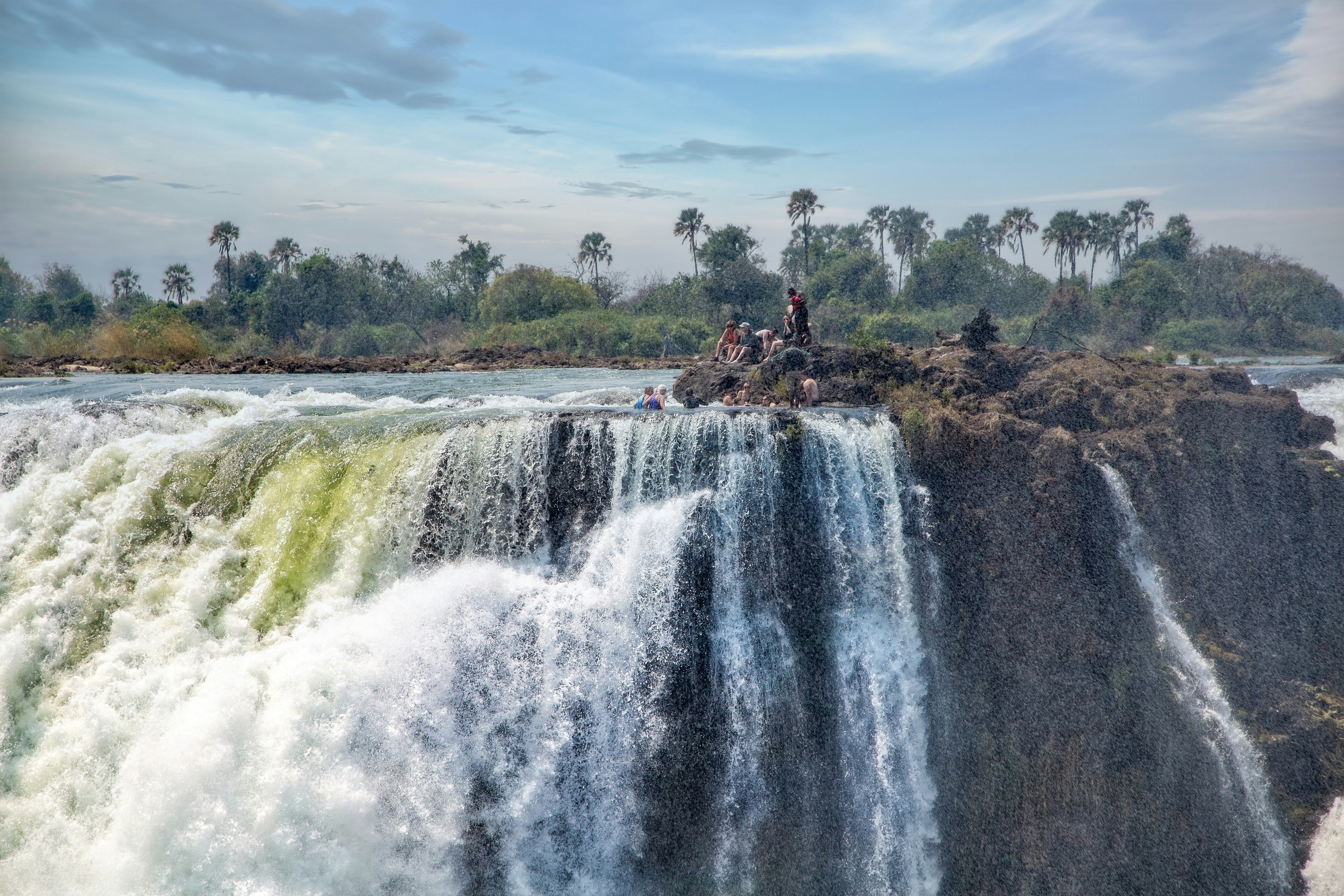
Three people sit around a campfire in the wild, next to the crocodile-infested Zambezi River. They’re part of a canoe expedition run by an adventure company. Who is the tourist?
One is on holiday for two weeks, another is a travelling volunteer, and the third is on a year-long round-the-world trip. That all three are involved in an activity designed for tourists, and none are on a packaged holiday trip, makes this question more difficult than expected. Add to the mix that one of the three is offended to be labelled a tourist, and you have the makings of a common backpacker debate, one that’s played out in youth hostels across the world.
Central to this debate is the question of what makes a travelling individual, or a backpacker, different to some other type of tourist. Is it simply that backpackers embrace serendipity and are ‘travelling’ for longer periods of time? Or has the nature and scope of tourism just changed? And if so, is there a charge of ‘travel snob’ for those who claim to be ‘travellers, not tourists’?
I’m inclined to agree with that charge. If only for the fact that there are now masses of backpackers following the circuits advised by Lonely Planet and Rough Guides, bouncing between recommended youth hostels and partying in the designated, seemingly ‘foreigner only’ nightclubs.
And it’s not just Australia, the obvious backpacker destination, which has embraced backpackers as tourists. Take all those cafés along Australia’s East Coast which serve up the ‘backpacker cuisine’ of fruit shakes, banana pancakes and the all-time Western favourites like burgers, salads and pasta dishes. They’re now found the world over. From the rooftops in towns across South East Asia to the beachfronts throughout Latin America, the backpacker fare is remarkably consistent.
Furthermore, backpackers are no longer characterised by the dilapidated modes of transport they often pride themselves on: ancient wheezing trains, clapped-out local ‘chicken buses’, river ferries, pickup trucks or local equivalents such as bemos in Indonesia and tuk-tuks in Thailand. Instead, the backpacker is steadily relying more and more on the local tourist industry.
Organised trips to popular local spots and arranged cheap transport to the next backpacker destination are now the rule rather than the exception. Often these methods are quicker and allow lone travellers to meet other backpackers, but they break the traveller’s supposed ethos of meeting locals and experiencing ‘real life’, the very thing that’s meant to mark the difference between a traveller and a tourist.
Indeed, a ‘backpacker’ may be better described as a tourist on a budget, always adjusting between serendipity and planning depending on their mood, health, and bank balance. In this light, the current phenomenon of backpacking is perhaps best viewed in the broader context of tourism and the economic and political developments brought about by globalisation.
Gone now is the job-for-life career. In its place: temporary or part-time jobs that let you save (or sponge off parents) and travel. So what was once a marginal and unusual activity undertaken by hippies and adventurous dropouts is now an accepted form of tourism.
That backpacking is now closer to mass tourism than to any form of ‘genuine travel’ suggests that those travelling on a budget are not quite the ‘brave and intrepid explorer seeking the natural native’ they wish to paint themselves as. This isn’t to say that backpacking isn’t a worthwhile and adventurous endeavour. It’s just to recognise that backpacking now forms a large part of contemporary tourism, and to pretend otherwise is not only archaic, but a little bit snobbish too.