Top 10 Board Games
Written on December 11th, 2025 by Dr Hobo
These are 10 board games that have earned permanent shelf space in my collection. No ranking - just games I keep coming back to and think are worth your money. As of November 2025.
I’ve been playing board games and cards since I was a kid, but until COVID, it was mostly mainstream fare and games with a normal deck of cards. Being shut up with my folks during lockdown, searching for other ways to pass the time, I realised this was a proper hobby with many wonderful and varied options out there.
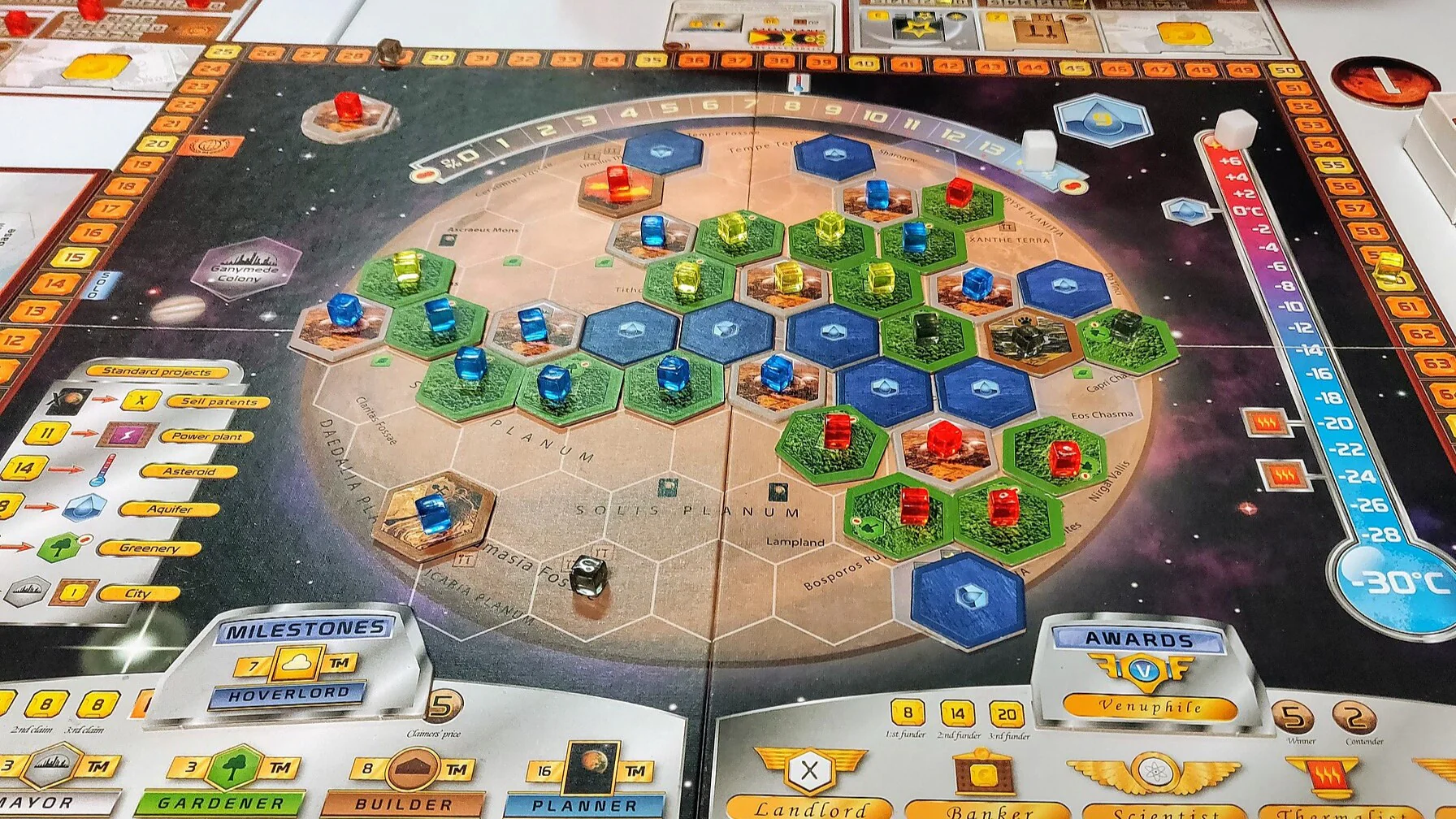
Terraforming Mars
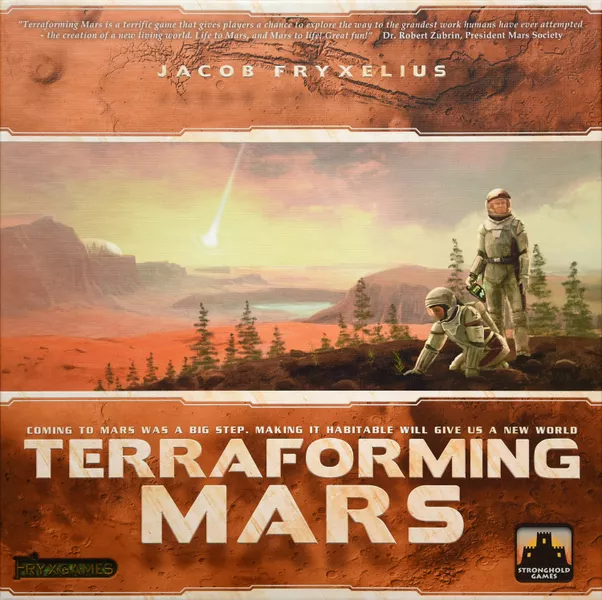
Designer: Jacob Fryxelius
Year: 2016
The engine-building game that makes you feel like a proper space corporation mogul. I’ve only played this online, which suits me perfectly - I actively avoid on-table games in person to dodge all the admin and fiddly bits. Once you’re deep into your third generation, juggling heat production against oxygen levels whilst your mate steals the placement bonus you desperately needed, you’re in it. Every card matters, every decision ripples into future turns. I’m also keen to try Ark Nova, which I’m told is essentially Terraforming Mars but with a zoo instead of a planet - if it’s half as good, I’m sold.
Coup
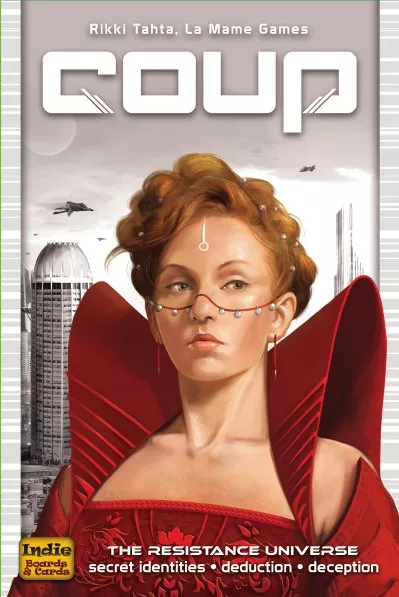
Designer: Rikki Tahta
Year: 2012
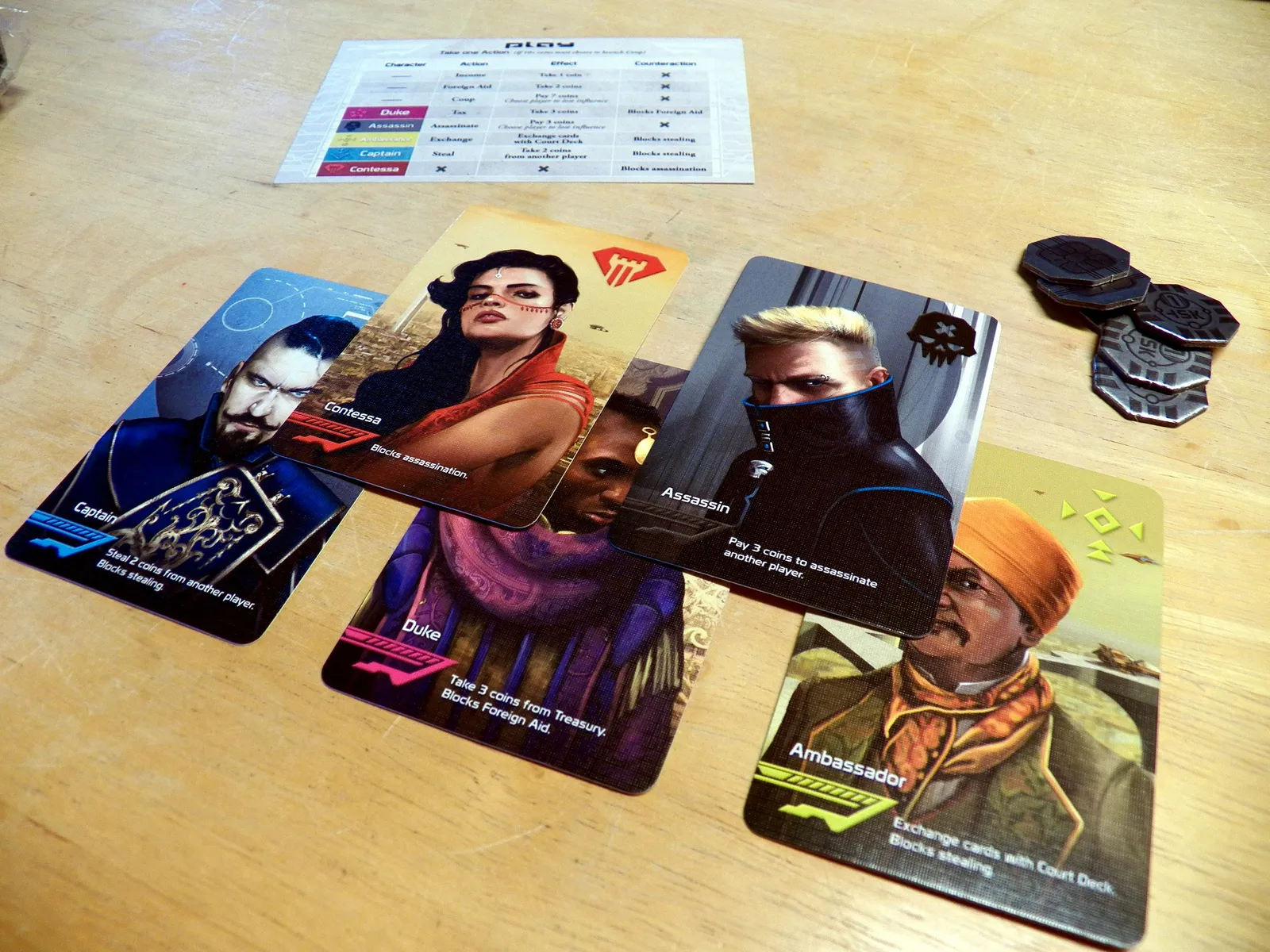
Bluffing at its most vicious and most compact. I was playing this well before my board gaming revelation during COVID, which says something about its accessibility. In fifteen minutes you’ll witness friendships tested, bare-faced lies told with conviction, and the sweet satisfaction of calling someone’s bluff at exactly the right moment. Five character types, a handful of actions, and the constant psychological warfare of deciding whether that smug person across the table actually has the Duke or is banking on you being too cowardly to challenge. Games are quick enough that the inevitable “one more round” chorus never gets old. Tiny box, takes up almost no shelf space, and earns its place every time.
Biblios
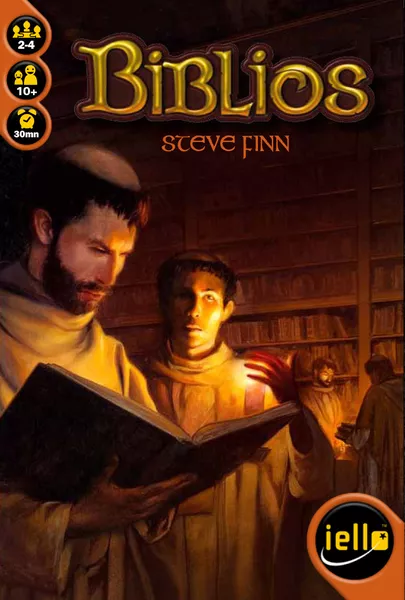
Designer: Steve Finn
Year: 2007
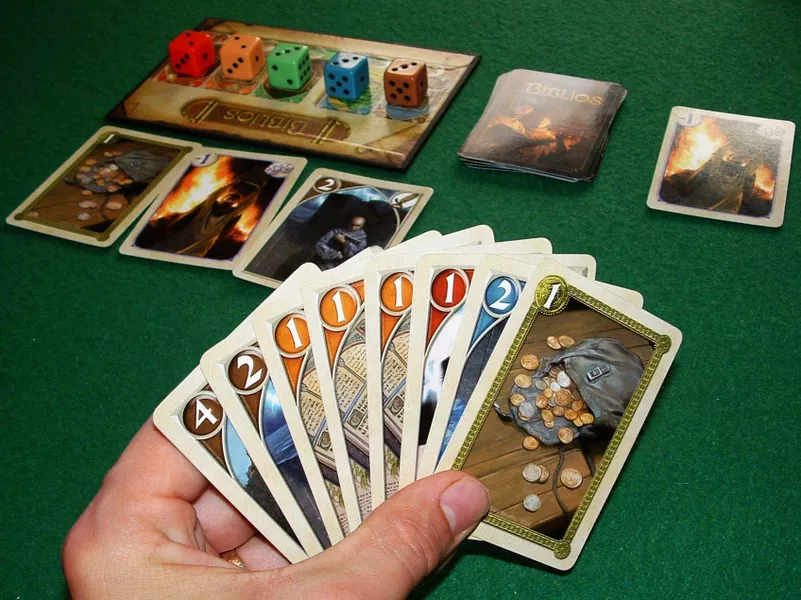
Consistently overlooked in favour of flashier titles, which I find genuinely baffling. The draft phase forces agonising decisions - keeping the juicy card, giving your opponent the scraps, or gambling on the auction phase. Then the auction flips everything on its head as you watch cards you desperately want slip through your fingers because someone else valued them slightly more than you dared bid. Medieval manuscript collecting that somehow creates more tension than games three times its length. Three players works perfectly too, which happened to be my COVID lockdown configuration, so one of my most played. Belongs in every collection, yet somehow remains the game I have to explain most often.
Hansa Teutonica: Big Box
Designer: Andreas Steding
Year: 2020
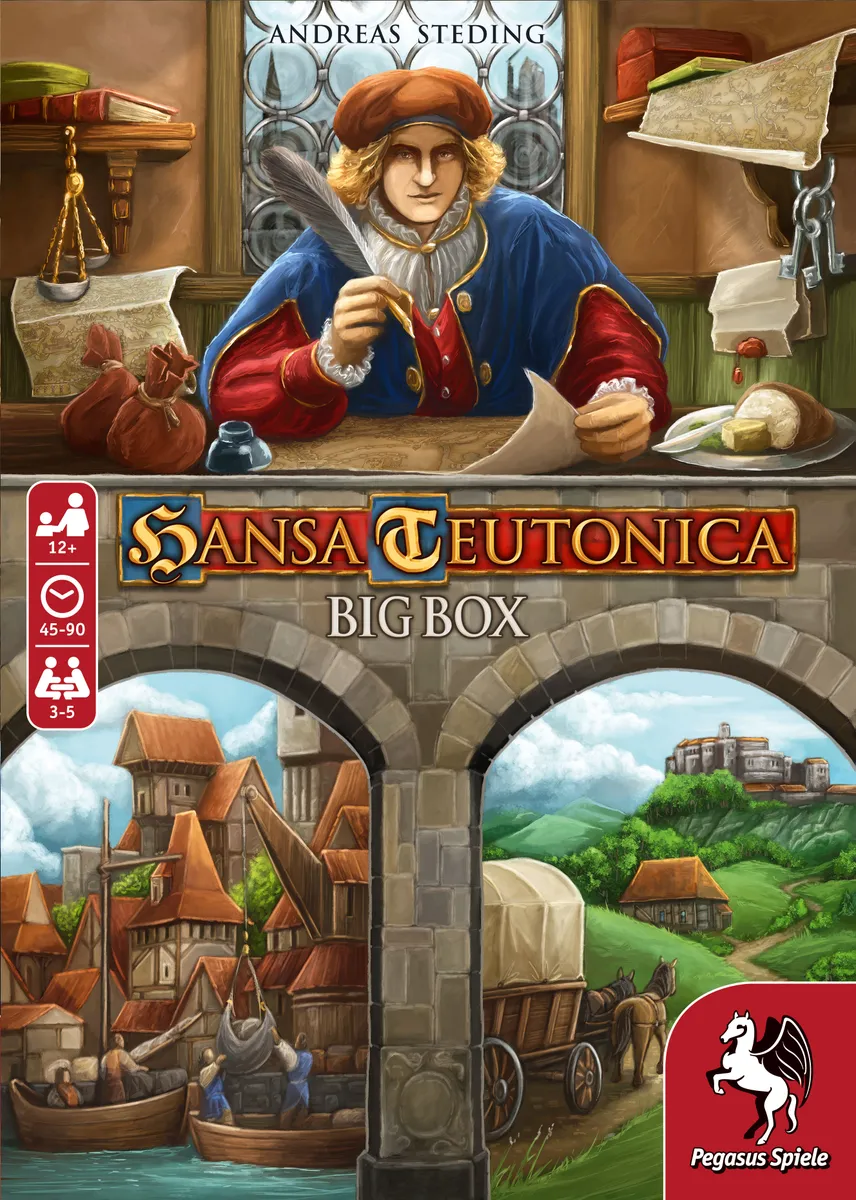
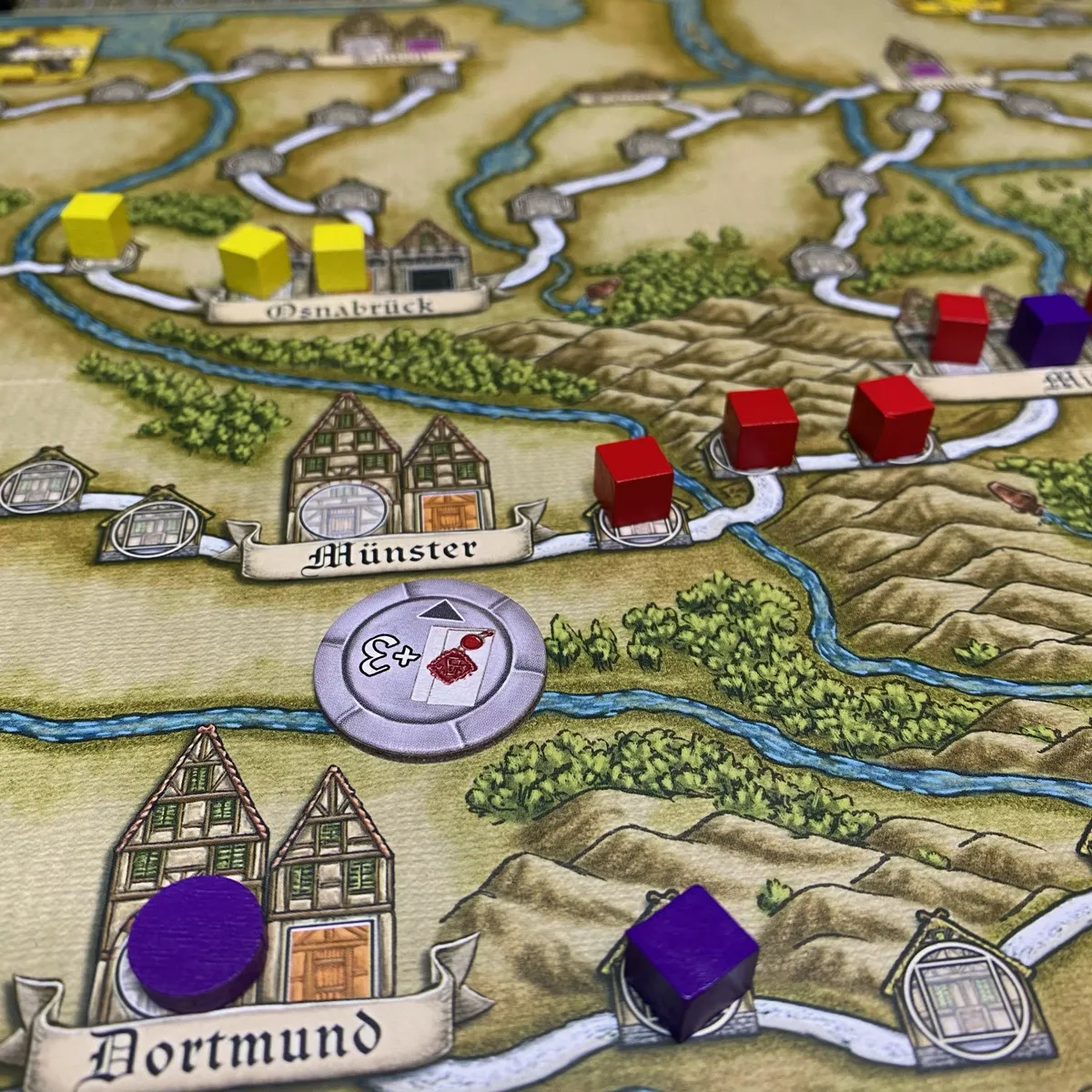
An ugly game that plays beautifully - and I mean properly ugly, like someone designed it during a particularly uninspired lunch break in 2009. Don’t let the drab aesthetics fool you though; beneath that beige exterior lies one of the most interactive euros ever made. The route-building creates constant conflict as you jostle for position, displace opponents, and race to grab the powerful bonuses before anyone else. It’s a game of timing, reading the table, and knowing exactly when to pivot because someone just blocked your entire plan. You’re here because screwing over opponents in a euro game rarely feels this good.
Bohnanza
Designer: Uwe Rosenberg
Year: 1997
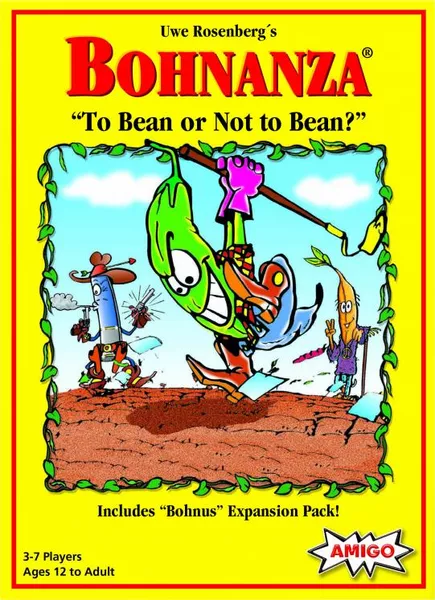
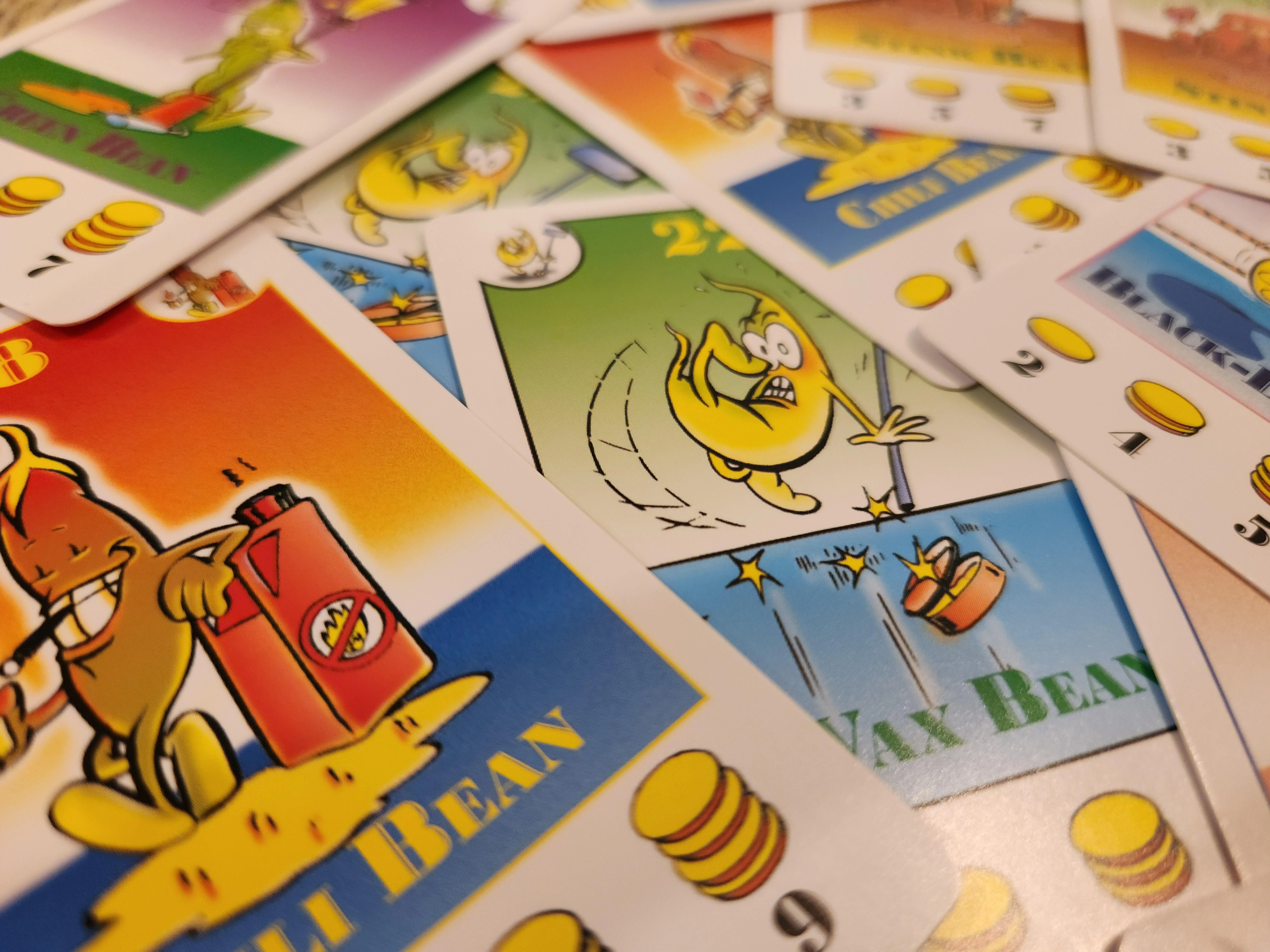
Trading beans shouldn’t be this engaging, yet here we are. The hand order mechanism - where you absolutely cannot rearrange your cards - creates this beautiful chaos where you’re constantly negotiating, pleading, and occasionally begging people to take beans off your hands before you’re forced to plant them at the worst possible moment. Bohnanza lives and dies on your group’s willingness to trade, but with the right players it becomes a wonderfully chaotic marketplace of increasingly desperate deals. Compact, cheap, infinitely replayable.
Tichu
Designer: Urs Hostettler
Year: 1991
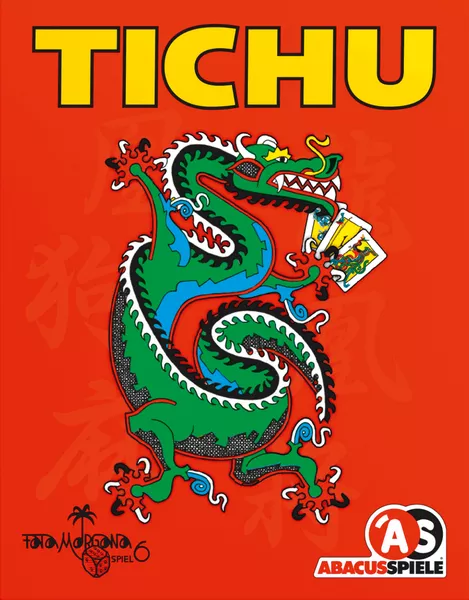
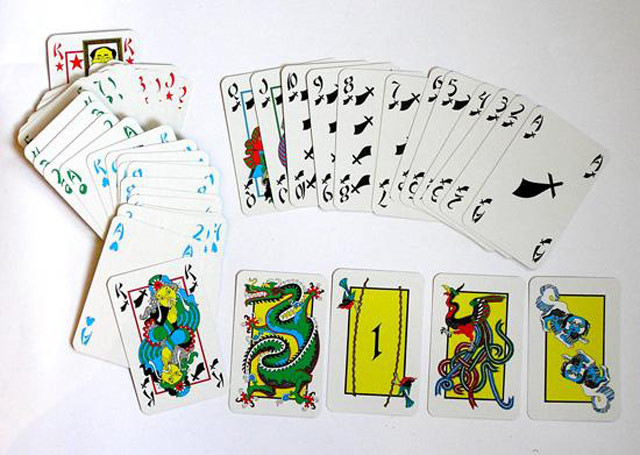
Growing up, I played endless games of Big 2 with my Hong Kong friends - it’s probably my most played game ever. Inevitably it went stale once we’d all reached the skill ceiling. Discovering Tichu during COVID - a partnered version of the Big 2 formula with extra depth - was a proper find. The special card combinations, the push-your-luck Grand Tichu calls, the satisfaction of perfectly coordinating with your partner to dismantle the opposition. The fact I can play it on my phone at any time helps too. Yes, it has a learning curve, you need exactly four players, and it demands repeated plays with the same group to really click. But once it does. Also, at about a fiver for a deck, the value is almost embarrassing. Just be prepared for the arguments when someone makes a catastrophically bad Tichu call.
Dune (2019)
Designer: Bill Eberle, Jack Kittredge, Peter Olotka
Year: 2019 (originally 1979)
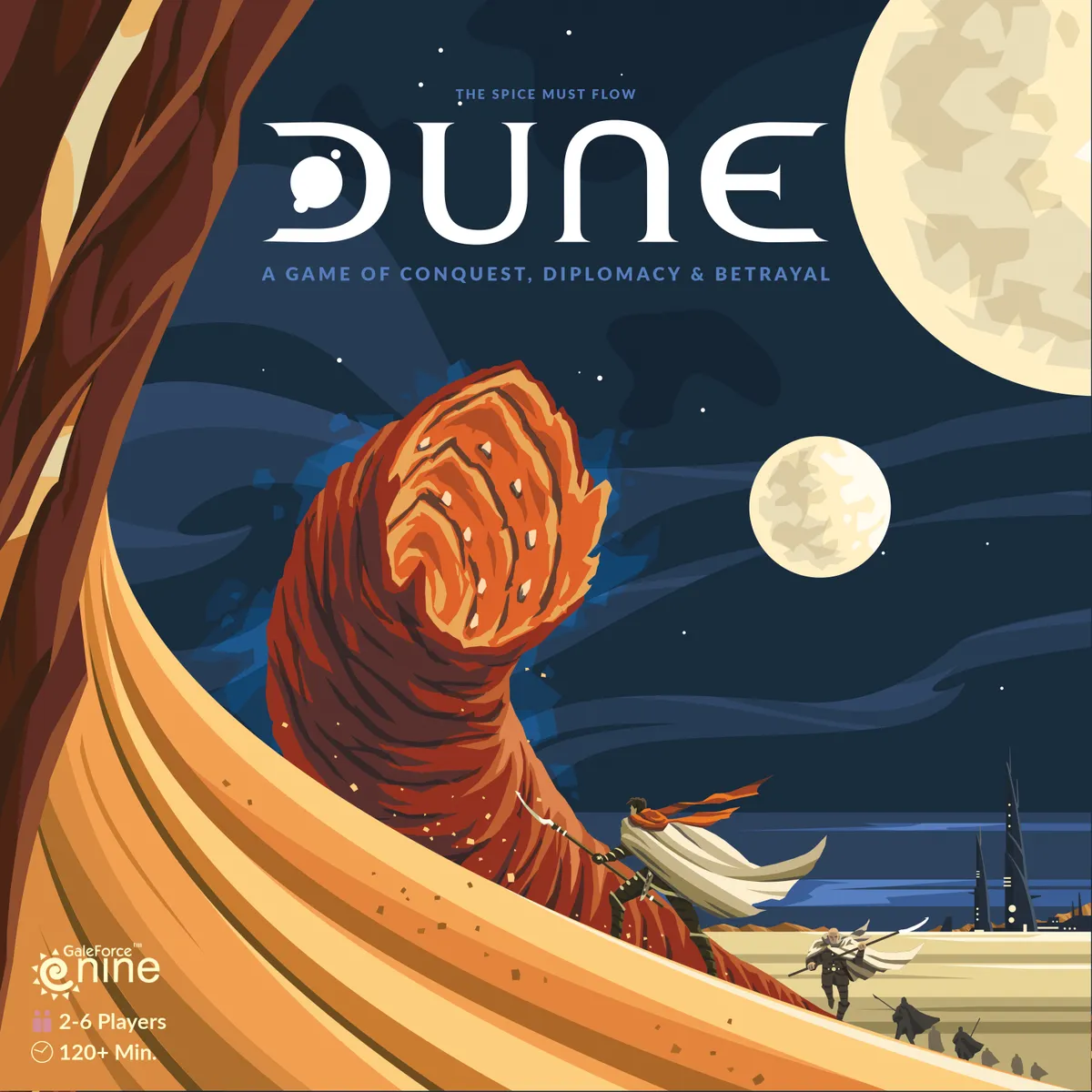
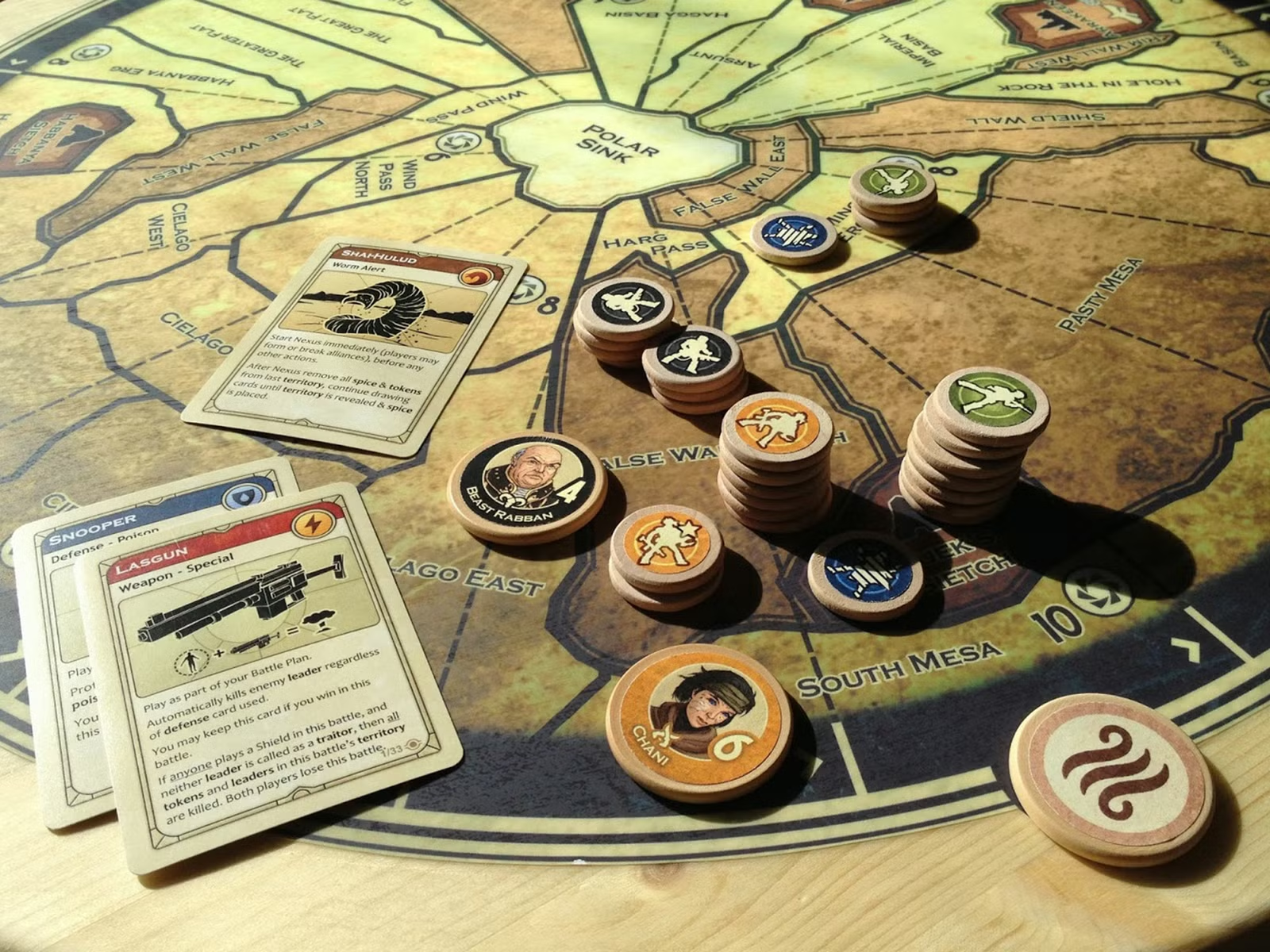
The Gale Force Nine reprint of the 1979 classic. Each faction plays completely differently, the alliance system creates shifting political dynamics that would make Machiavelli proud, and the treachery cards ensure paranoia runs rampant. The theme and mechanics fit together so well it’s almost suspicious - most games in this space don’t come close. I actually prefer playing this online, where you can message other players in secret, which adds another layer to the manoeuvring. Chaotic, long, more exceptions to rules than actual rules, and it absolutely requires the right group willing to engage in the backstabbing and skullduggery. But when someone pulls off an impossible-seeming comeback through sheer political manoeuvring, or destroys the shield wall at exactly the right moment? Few games match that. Just make sure you’ve got four hours and a group who won’t take betrayal personally.
Absolute Balderdash
Designer: Laura Robinson, Paul Toyne
Year: 2004
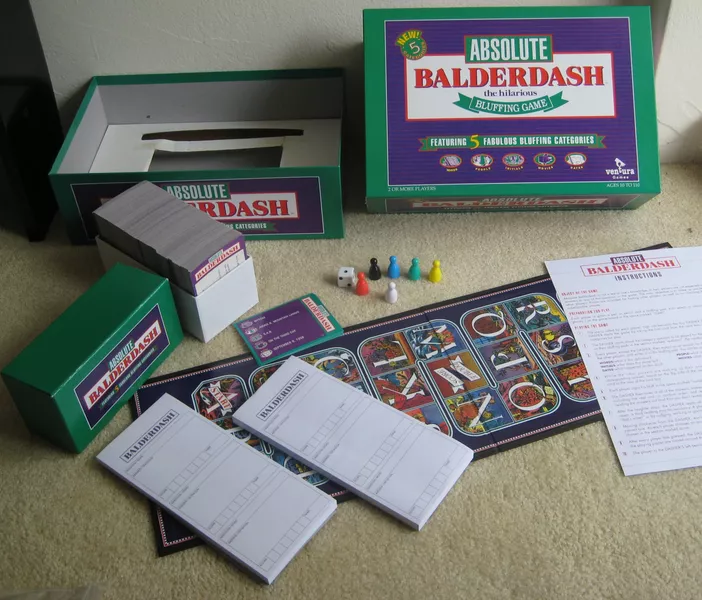
The only party game that’s consistently made it into my top ten. Like Coup, I was playing this well before my board gaming revelation during COVID. The premise is simple - someone reads out an obscure word, date, or name; everyone writes a plausible-sounding fake definition; then you vote on which is real. The execution is magical because it rewards creativity, quick thinking, and the ability to bluff with conviction. Games invariably descend into hysterics as someone’s ridiculous definition somehow gets votes, or when the real answer is so absurd nobody believes it. Works brilliantly with non-gamers, and unlike most party games it doesn’t overstay its welcome. The Absolute edition includes all the categories.
Escape from Atlantis
Designer: Julian Courtland-Smith
Year: 1986
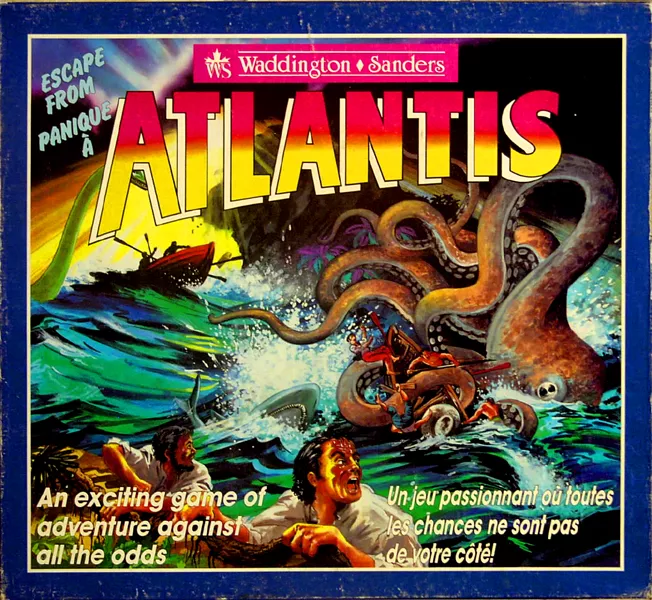
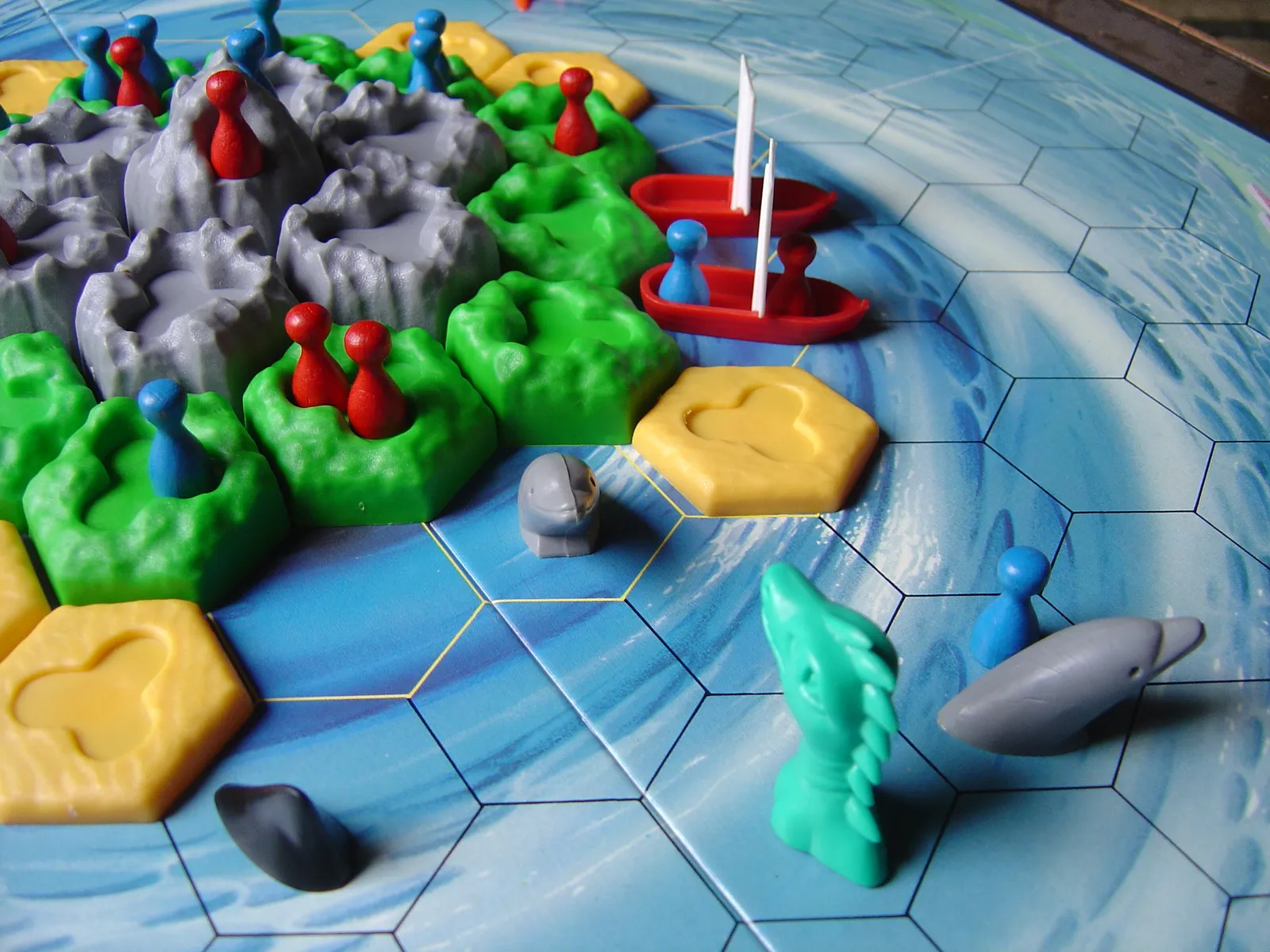
Still remember the excitement of playing this as a 10-year-old after my mum found it in a charity shop - watching the island tiles sink, revealing sea monsters and sharks, desperately trying to get my meeples to safety whilst my sister’s octopus smashed my boats to pieces. Pure chaos, pure fun, zero complexity. The updated version, ‘Survive: Escape from Atlantis’, keeps everything that made the original brilliant whilst improving the production quality. Genuinely looking forward to playing this with my own kids one day. The Take-That elements are strong, but cartoonish enough that nobody takes it personally when a sea serpent devours their swimmer.
El Grande
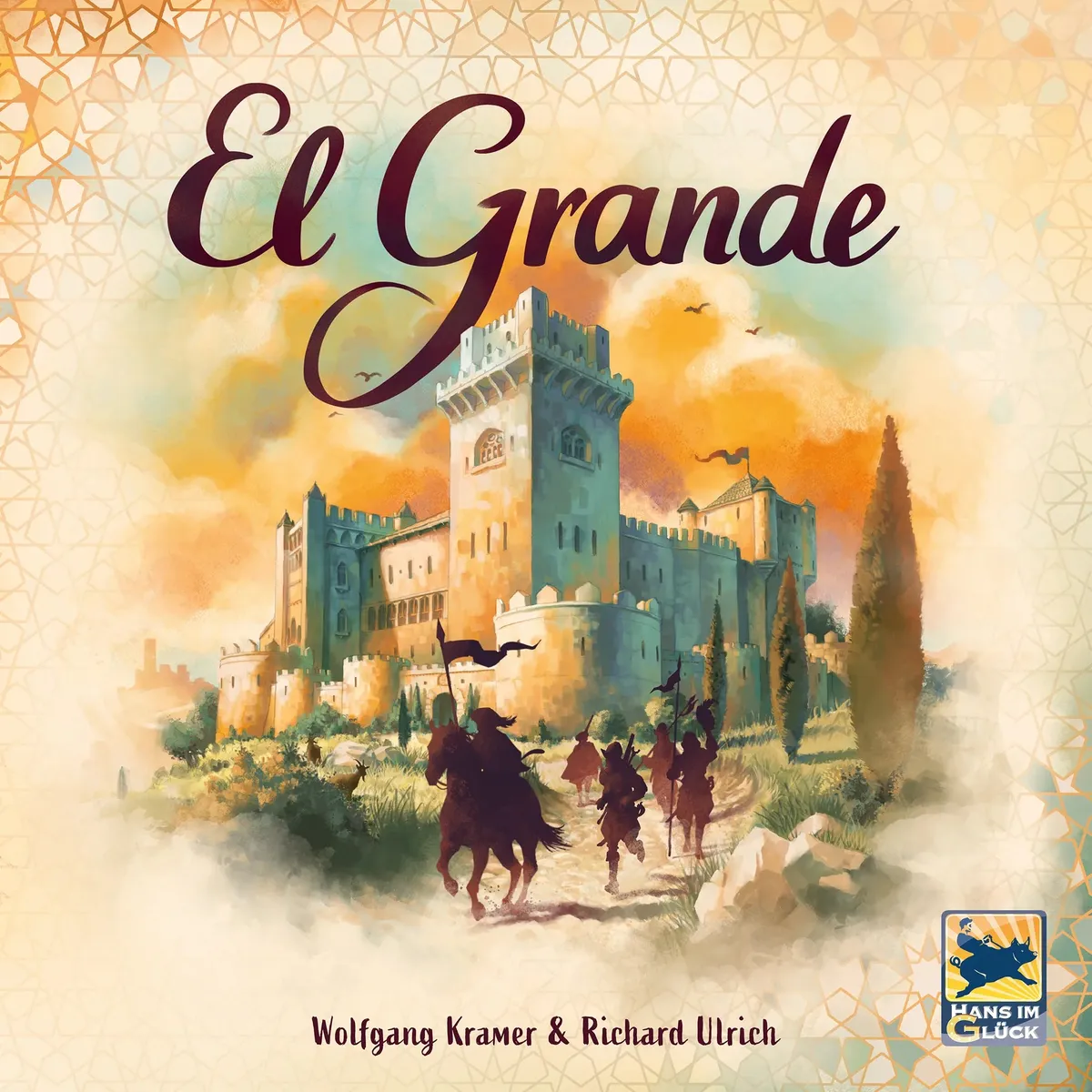
Designer: Wolfgang Kramer, Richard Ulrich
Year: 1995
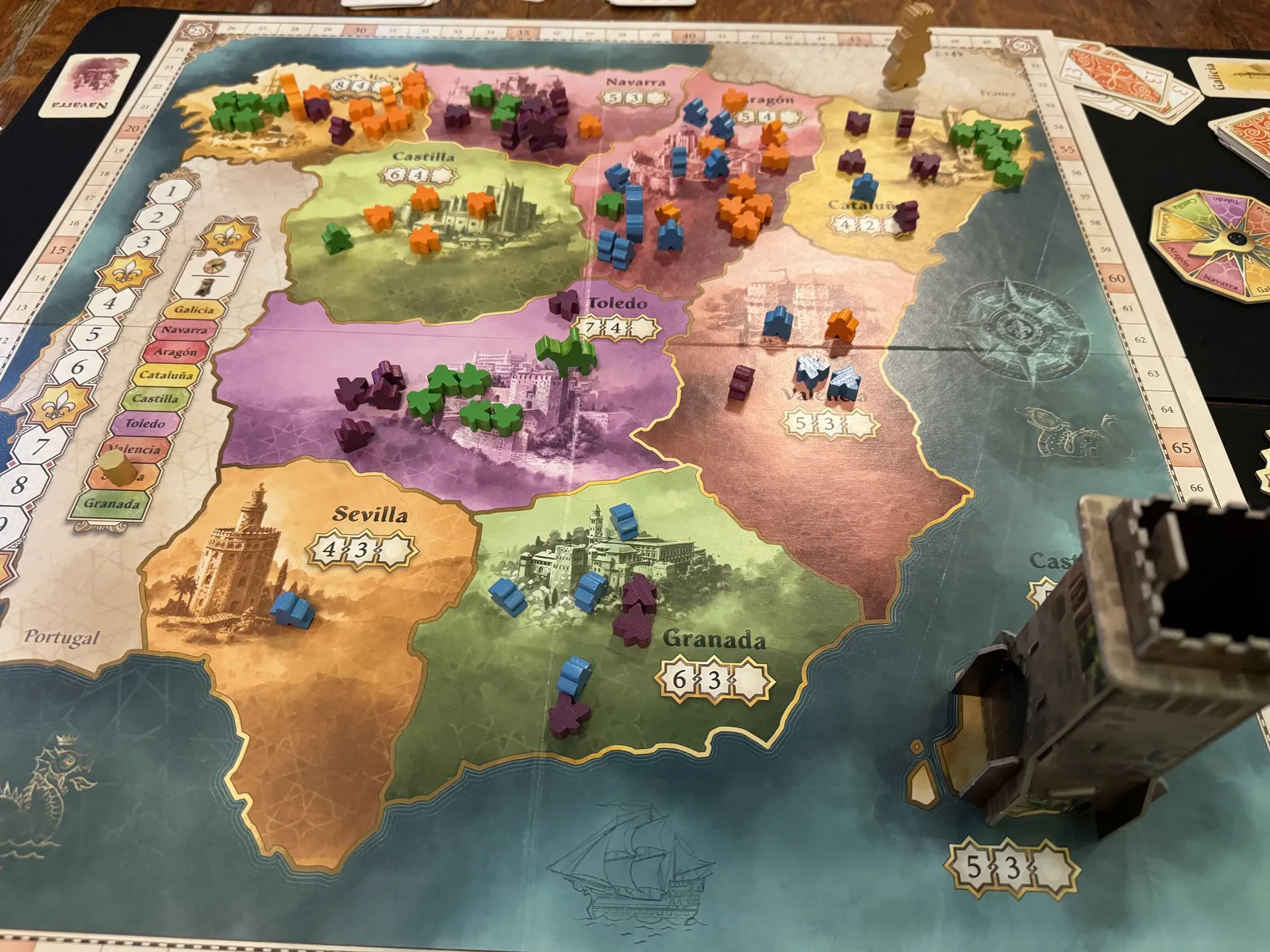
One of the oldest area majority games and still one of the best. The power card mechanism is genius - higher numbers give you better actions but worse turn order next round, creating this constant push-and-pull between grabbing what you need now versus positioning for the future. The Castillo is brilliant too, this hidden reservoir of cubes that gets revealed during scoring, leading to those perfect “gotcha” moments when someone’s seemingly dominant position crumbles. A game of reading opponents, managing resources, and timing your moves. Nearly thirty years old and it still plays better than most modern area control games.
Honourable Mentions
These almost made the list, and on another day, some of them might have:
- Just One (2018)
- Air, Land, & Sea (2019)
- Blood Rage (2015)
- Modern Art (1992)
- Ra (1999)
- Love Letter (2012)
- Dune: Imperium (2020)
- For Sale (1997)
- Galaxy Trucker (Second Edition) (2021)
- San Juan (Second Edition) (2014)
- Secret Hitler (2016)
- Decrypto (2018)
- Splendor (2014)
- Lost Cities (1999)
What are your top board games? Disagree with my picks? Drop a comment and let me know what belongs on my shelf!